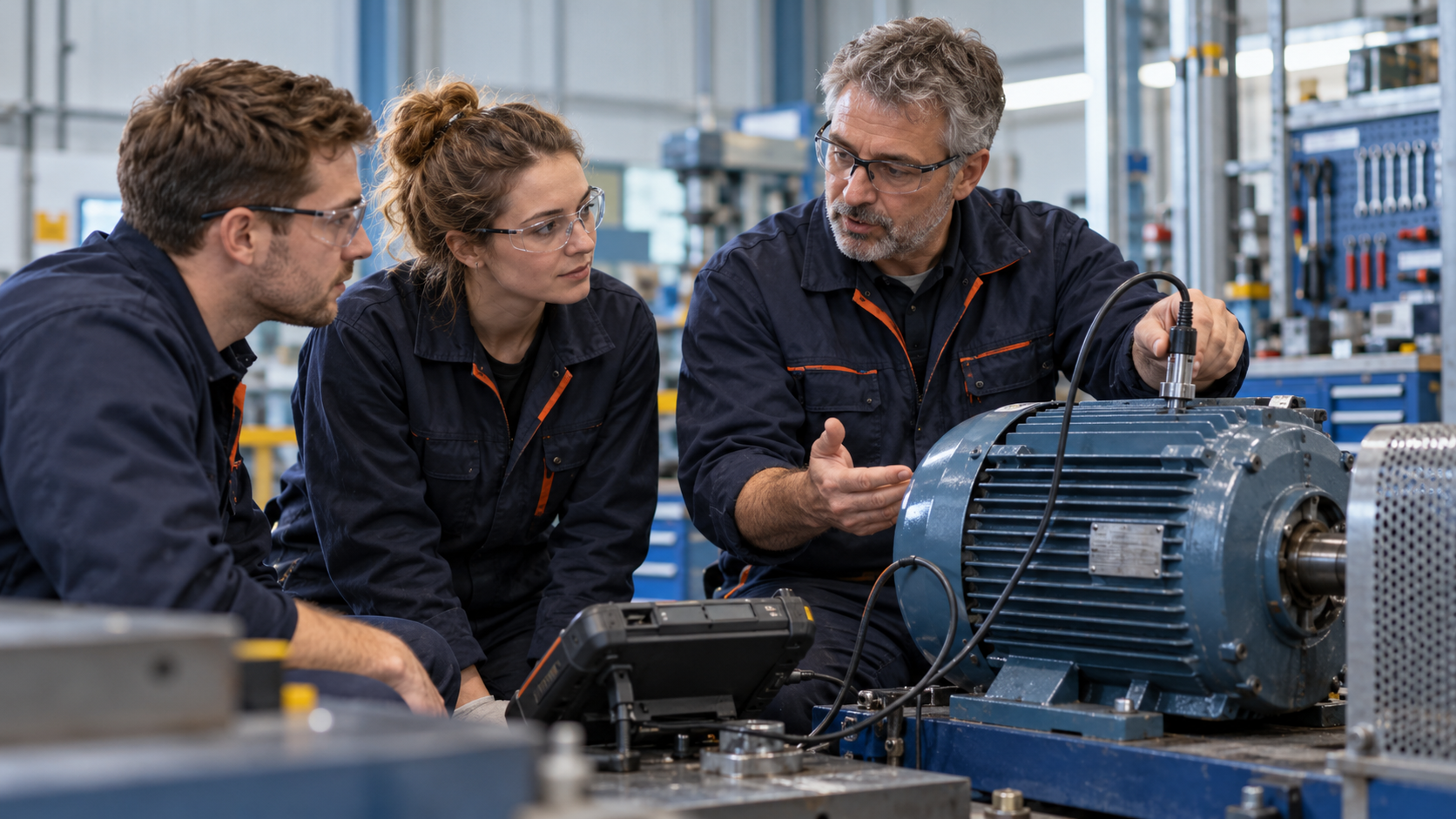
EARLIER FAULT DETECTION
plus
BETTER MAINTENANCE PLANNING
plus
FEWER UNEXPECTED FAILURES
plus
CLEARER ASSET HEALTH
plus
MORE RELIABLE EQUIPMENT
plus
TARGETED MAINTENANCE
plus
INFORMED REPAIR DECISIONS
plus
LESS REACTIVE MAINTENANCE
plus
Why PSW

UNDERSTAND THE CONDITION.
PLAN THE NEXT STEP.

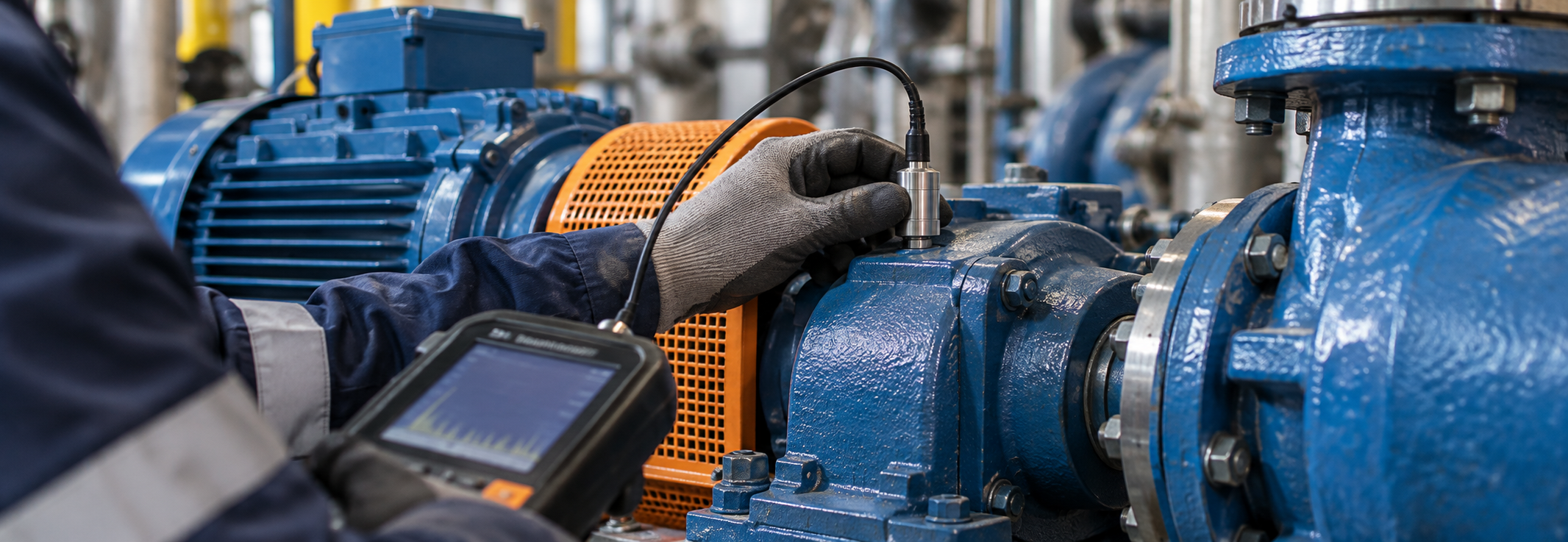
Changes in equipment condition can reveal developing faults before a breakdown occurs. PSW uses techniques including vibration analysis, ultrasound and oil analysis to investigate signs of deterioration and help your team understand what needs attention.

By making these findings part of your maintenance programme, you can prioritise work and plan repairs around operational demands, reducing reliance on reactive maintenance.

EXPERT DIAGNOSIS OF DEVELOPING FAULTS
TECHNIQUES MATCHED TO YOUR EQUIPMENT
CLEAR MAINTENANCE PRIORITIES
FINDINGS SHARED WITH YOUR TEAM
OUR TECHNIQUES

THE RIGHT TECHNIQUE. A CLEARER PICTURE OF CONDITION.

Different faults need different inspection methods. PSW offers a range of condition monitoring techniques to help identify developing problems and support planned maintenance.
01
VIBRATION ANALYSIS
right-arrow
ROTATING EQUIPMENT
FAULT DIAGNOSIS
Assess the condition of rotating machinery and investigate issues such as imbalance, misalignment and bearing wear. Vibration analysis helps identify deterioration before failure.
02
ULTRASONIC ANALYSIS
right-arrow
LEAK DETECTION
MECHANICAL CONDITION
Use ultrasound to investigate bearing and lubrication issues, alongside pressure and vacuum leaks. The inspection method is selected to suit the equipment and fault.
03
OIL SAMPLING & ANALYSIS
right-arrow
LUBRICANT CONDITION
CONTAMINATION
Check lubricant condition and identify contamination that could affect equipment reliability. Oil analysis helps inform maintenance decisions and investigate the source of developing problems.
04
INFRARED ANALYSIS
right-arrow
ELECTRICAL SYSTEMS
HEAT DETECTION
Identify abnormal heat patterns in electrical and mechanical equipment. Infrared inspections help locate overheating associated with poor connections, overloads and other developing defects.
05
STEAM TRAP ANALYSIS
right-arrow
STEAM SYSTEMS
FAILURE INVESTIGATION
Assess steam trap stations to identify faults and investigate their causes. Checks can include trap operation, sizing and isolation valves.
01
CNC Turning
right-arrow
Equipment
Fabricators
v
service-img-01-02
CNC turning is an advanced machining method used to produce precise cylindrical components by rotating raw material against computer-controlled cutting tools.
02
Robot Installation
right-arrow
Automation
Engineering
service-img-02-01
service-img-02-02
Robot installation is the process of deploying industrial robots into manufacturing environments, including setup, programming, calibration, and safety integration.
03
Renewable energy
right-arrow
Industrial
Equipment
service-img-03-01
service-img-03-02
Renewable energy involves generating power from natural sources like solar, wind, and hydro. It reduces environmental impact while delivering solutions.
04
Gas & oil industry
right-arrow
Equipment
Engineering
service-img-04-01
service-img-04-02
The gas and oil industry focuses on the exploration, extraction, processing, and distribution of energy resources essential for powering global industries.

Advancing how assets are monitored

Our KTP project with the University of Liverpool explores how advanced sensing and digital monitoring can work together to give a more complete picture of asset condition. The aim is to help energy sector clients improve asset safety and reduce downtime and maintenance costs.

Our Team

ENGINEERS WHO GET TO KNOW YOUR OPERATION

PSW’s team brings reliability expertise into the reality of your site, working with your people to understand the equipment and carry improvements through.

Simon Joynson
Senior Reliability Engineer
Ron McKay
Managing Director
Jeremy Wilson
Engineering Consultant
Gary Goodall
Lead Reliability Engineer
Lee Evans
Office Manager
Want to work with the people behind the services? Visit our careers page
how we work
right-arrowright-arrow

DISCUSS YOUR EQUIPMENT

DISCUSS YOUR EQUIPMENT